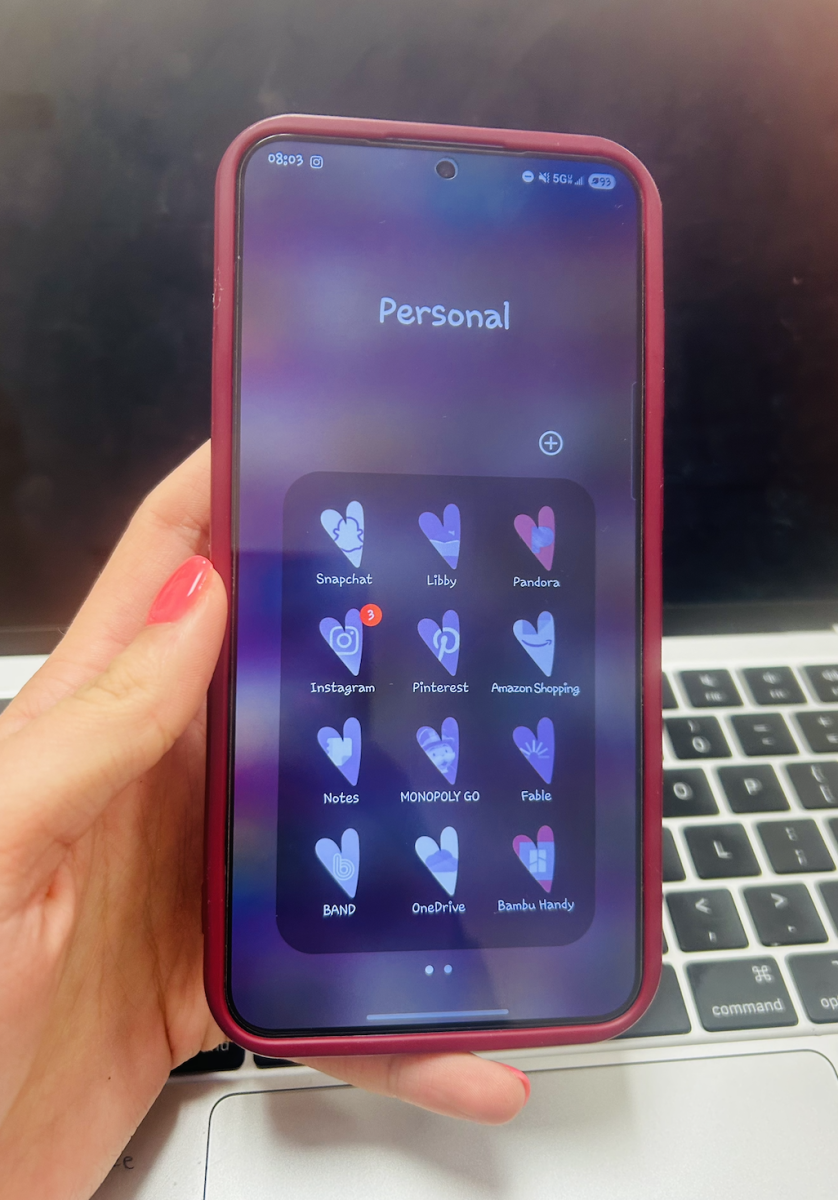
Social media is a huge part of teens lifestyle today. Apps like Instagram, TikTok and Snapchat are where teens talk to friends, share memories and keep up with trends. For many people, it feels normal to scroll for hours without even noticing. While social media can help teens feel connected, research shows that it is hurting their mental health more than it is helping.
One major concern is anxiety and depression. According to research from the Pew Research Center, teens say social media makes them feel overwhelmed by drama and pressure to do certain things. The U.S. Surgeon General’s Office released an advisory warning that using social media too much can increase the risk of anxiety, depression and other mental health challenges in younger people. Studies have found that teens who spend more than three hours a day on social media, are more likely to report symptoms of poor mental health compared to those who use it less than three hours. This proves that the more time teens spend online, the more their mental well–being may suffer.
Another problem is self appearance. Social media often shows edited, filtered and carefully chosen highlights of people’s lives. Teens constantly see influencers with what they deem perfect skin, perfect bodies and perfect relationships — making them think they have to be perfect. But the truth is what they see on social media is fake. Research has shown that exposure to appearance-based content can lead to body dissatisfaction, especially among teenage girls. When teens compare their real lives to someone else’s highlight reel, it can make them feel like they are not good enough. Over time, this comparison can lower confidence and increase insecurity.
Many teens scroll late at night, which affects their sleep schedule. Health experts say the blue light from screens can disrupt the body’s natural sleep cycle. Lack of sleep is linked to mood swings, difficulty concentrating and lower academic performance. When teens sacrifice sleep to stay online, it affects their mental health and success in school.
Social media is not entirely a negative thing. It can help teens stay connected with friends who share their interests, struggles or goals. For some teens, social media can provide support they may not have in person. During stressful times, staying connected online can reduce feelings of loneliness.
Even with these benefits, the research shows that the risks are still serious. When social media use becomes excessive, it can harm mental health, self-image and sleep. Instead of completely removing social media, teens may need better limits, such as limiting screen time and being mindful about who they follow. Social media itself is not evil, but without balance, it can do more harm than good. Based on research and growing concerns from health experts, it is clear that social media is hurting teens more than it is helping them.