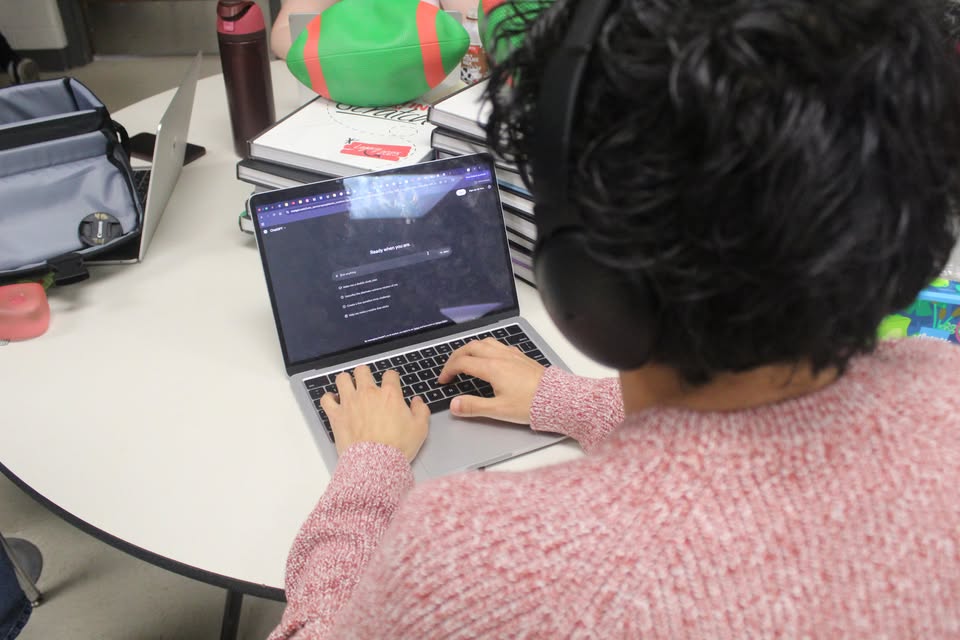
Generative artificial intelligence tools such as ChatGPT have made it easier for students to submit work that is not entirely their own, and that has put pressure on schools to use AI writing detection tools to identify potentially AI generated work. But as more teachers rely on these detectors systems to flag student writing, people are questioning how accurate these detectors are.
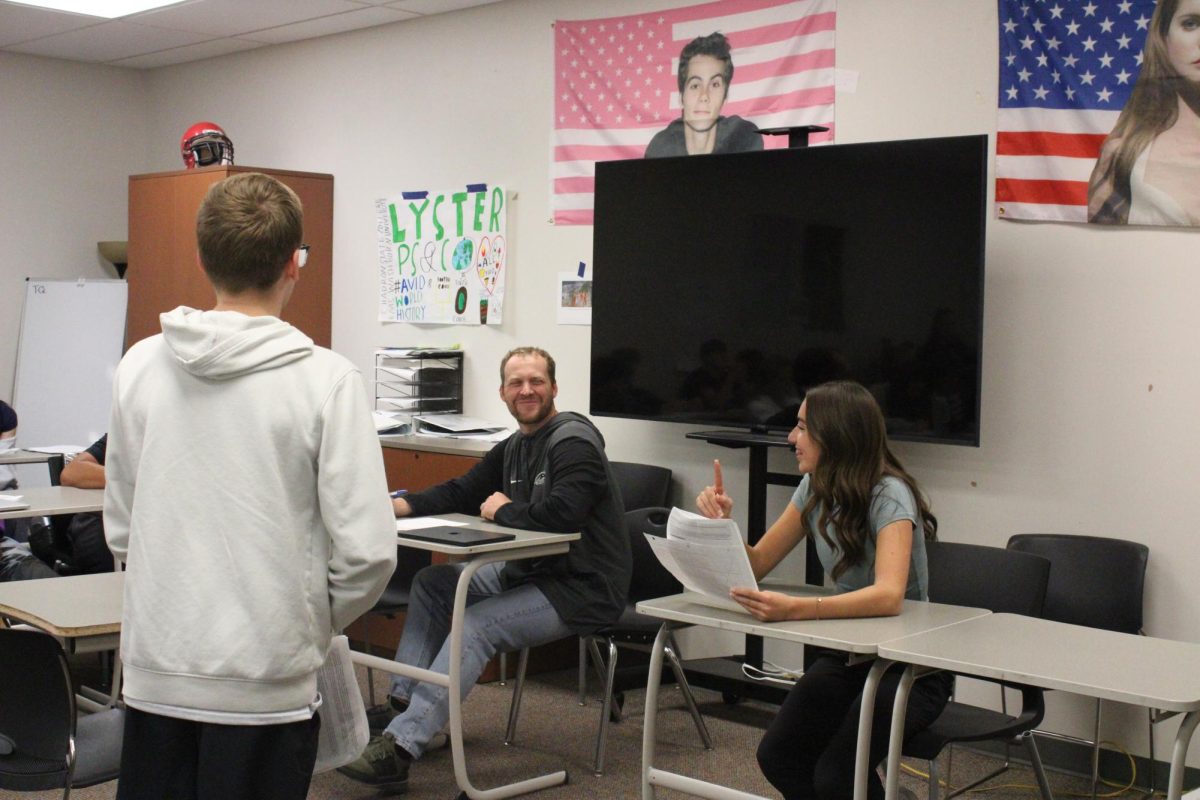
“If I have students’ papers ran through an AI checker, about half of them use AI,” ELA teacher Alison Laramore said. “Every time I assign an essay, out of about 140 students, I probably have one to four students who use AI to 100% completely generate an essay.”
Writing detectors like Turnitin try to estimate the percentage of AI generated content a student has submitted, but experts say teachers shouldn’t rely on these results. Turnitin has a margin of error off about 15 points, meaning a score of 50% could be in between 35% and 65% of AI generated content according to the Center for Teaching Excellence at The University of Kansas.
KU also said detectors are trained using older versions of AI and may not perform well on the newest versions. Fully AI-generated essays raise concerns about authenticity and learning. Tools like ChatGPT can create polished writing that may not reflect a student’s actual ability, making it harder for teachers to see a student’s true understanding.
“It keeps them from harnessing an investigative mindset and learning to express themselves formally and professionally,” Laramore said. “AI is stronger than AI detectors.”
Research from the National Library of medicine suggests detectors can misclassify both AI and human written content. In some studies, detectors failed to consistently distinguish between rewritten or partially AI generated writing, which shows the obvious risk of false positives or negatives.
“I mostly use it for research, like turning pages I need to read into bullet points,” senior Julia Belter said.
Belter said she believed AI could be helpful or harmful depending on how it was used and said she felt “a little bit” of pressure knowing other students may rely on it. She also said banning AI would not be realistic.
“AI is incorporated in literally everything,” Belter said.
However, not all students rely on AI for schoolwork.
“I don’t think students use AI responsibly. Since there are no restrictions on how much or how often it can be used, students have come to rely on it,” sophomore Kore Blessing said. “AI could potentially have benefits, but unfortunately the cons outweigh the pros because it’s being used in an untrustworthy manner by most students.”
As AI advances teachers and students are still trying to balance innovation with academic integrity in the classroom, especially when detectors were not always reliable.